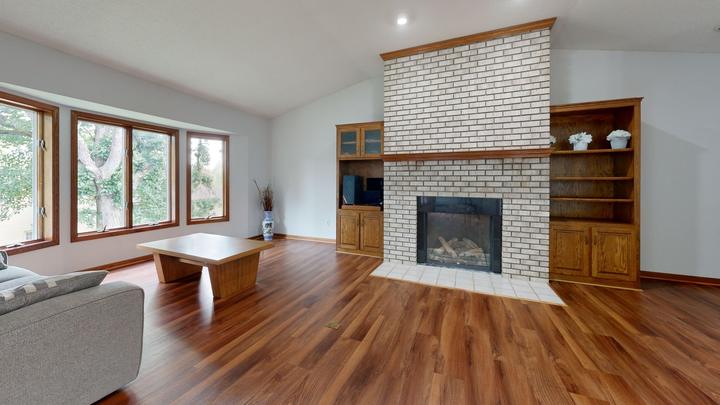
Chimney Liner Installation in St. Petersburg
Connect your appliance to a liner selected for its requirements.
- Fully licensed and insured
- Available for same-day service
- Locally owned and operated
- Family run
Get Your Free Estimate
Takes about 30 seconds
Request Received
Thank you. A member of our St. Petersburg team will call you to arrange the free inspection.
or call (727) 473-2732



Signs It Is Time to Call
The passage carrying exhaust needs to match the appliance connected to it. For chimney liner installation in St. Petersburg, that relationship determines the proposed system along with the retained chimney, routing and connection. We explain whether the proposal adds a suitable liner, replaces a damaged system or requires other repairs before relining can proceed.
- A recommendation to replace a damaged liner
- An appliance change requiring different venting
- A liner with uncertain product identification
- An unsuitable existing flue connection
What You Can Expect From Us
Liner installation puts a new stainless steel or cast-in-place lining inside the chimney flue to contain heat and exhaust. A sound liner protects the surrounding masonry and framing. One is needed when clay tiles crack or go missing, or when a new insert or gas appliance needs a flue sized for it. Each liner matches the fuel and listing.
-
Family run
Local, family-owned attention for your chimney liner installation project.
-
Honest pricing
Discuss the parts and labor involved in chimney liner installation before authorizing the price.
-
Workmanship warranty
Repair workmanship comes with our workmanship warranty.
Jump to
Choose a Liner by Its Job
Chimney relining is not simply putting a smaller tube into a larger opening. Fuel, appliance output and the manufacturer’s venting requirements affect which liner system is suitable. The material, size, insulation and connections must work as one specified assembly.
Stainless steel chimney liner installation may suit a range of applications when the particular product is approved for them. A material name alone does not establish suitability. An insulated chimney liner must use the insulation and installation details required for that system and the conditions present.
Assess the Chimney That Will Remain
Before we reline a chimney passage, the surrounding structure needs to be assessed. A new liner does not repair unstable masonry or remove the need to address a damaged top. Obstructions, offsets and the route through the existing chimney affect installation access.
Chimney liner replacement can also involve removing an unsuitable or damaged previous liner. That is a different job from fitting a liner into a clear, suitable passage. The proposal should make that distinction so you understand what has to be opened or removed.
Finish the Connections, Not Just the Main Run
Chimney flue liner installation includes the appliance connection and the top termination appropriate to the system. Loose transitions or incompatible accessories can undermine an otherwise suitable liner. Each connection needs to follow the selected product’s instructions.
Flue liner replacement may be part of a wider appliance change, but it should not be assumed that an old connection can serve a new appliance. Before changing appliances, confirm that the proposed liner includes compatible connections at both ends and any required insulation.
What the Visit Covers
- Appliance and fuel requirements
- Retained chimney soundness and routing
- Liner material and insulation specification
- Bottom and top connection details
10% off
Any Service You Book Within 72 Hours of Your Free Inspection
10% off any service you book within 72 hours of your free inspection.
Related Repairs We Also Handle
Other Work on the Same Chimney
- Chimney and Fireplace InspectionUnderstand your chimney’s condition before choosing the work.
- Chimney Sweep and Chimney CleaningRemove soot and reachable deposits from your chimney passage.
- Chimney RebuildReplace chimney sections that cannot support a reliable repair.
- Gas Fireplace InstallationChoose a gas fireplace with a complete installation plan.

Proudly American
Locally owned and operated in St. Petersburg, with free written estimates and no hidden fees.
Call Now (727) 473-2732Questions Homeowners Ask Before Booking
Is a chimney liner necessary?
A chimney liner is necessary because it keeps heat, sparks and exhaust gases inside the flue and away from the surrounding brick and framing. In older chimneys, clay tiles can crack from heat or settle and leave gaps. A cracked or missing liner should be repaired or replaced before the fireplace or appliance is used again.
Are chimney liners required by code?
Codes do require one. Section R1003.11 of the Florida Building Code, Residential, says masonry chimneys shall be lined, and an appliance added later must vent through the liner its instructions call for. A stainless steel liner should carry a UL 1777 listing for the fuel it serves, and its size is matched to the appliance outlet.
How do I know if my chimney liner needs replacing?
A chimney liner needs replacing when the inspection finds cracked or missing flue tiles, gaps between tiles or rusted metal. A liner that no longer matches the appliance needs replacing too. Signs at home include pieces of tile in the firebox, smoke leaking into the room or a strong odor. The technician checks the liner from the top and bottom before recommending relining.
Do chimney liners need to be insulated?
Many stainless liners need insulation to meet their listing, especially inside an oversized or unlined masonry flue, and the maker's instructions say when. Insulation keeps flue gases hotter, which helps draft and cuts creosote and condensation, so the installer wraps the liner or pours an insulating mix around it.
Tell Us What the Chimney Is Doing
- Free inspection
- Written estimate before any work
- Family-owned local company
Get Your Free Estimate
Request Received
Thank you. A member of our St. Petersburg team will call you to arrange the free inspection.